Transcript [00:01] hello everyone welcome back to israel [00:03] matters we've got a lot on our plate [00:05] uh it's never a dull week in the middle [00:08] east it's never [00:09] no week is just another week as it is a [00:11] elliot [00:12] that's right there's always something [00:14] you don't know what it's going to be in [00:15] advance but there's going to be [00:16] something [00:17] it's never boring um so before we get to [00:20] everything that we want to talk about [00:22] on the israel front i just wanted to [00:25] mention a lot of our viewers [00:28] those who are christian may not be aware [00:30] with rosh hashanah the jewish new year [00:32] which is really the day of trumpets the [00:34] day of judgment of the coronation of the [00:36] king [00:37] coming up next week we began [00:41] a period well for ashkenazic jews we [00:43] began it [00:44] last night for sephardic jews it began a [00:46] few weeks ago [00:47] we began saying special penitential [00:50] prayers called slichot which literally [00:52] means forgiveness where were [00:53] there they are extra prayers that are [00:56] just [00:56] focused on asking forgiveness from god [00:59] and a lot of them are very ancient hymns [01:01] that have been said for many centuries [01:03] and we incorporate verses asking god for [01:06] forgiveness [01:07] and one interesting note about these [01:09] special prayers we're going to be saying [01:11] them from now until [01:12] after the day of until sorry we're going [01:14] to be saying them from now until the day [01:15] of atonement [01:18] and the time to say them is prior to the [01:22] morning [01:22] service ideally they're said between [01:26] midnight and sunrise meaning in the [01:29] second [01:29] half of the night and what's significant [01:32] about that [01:33] is that we have obviously jews pray [01:36] three times a day we have morning [01:38] prayers which have to be said [01:39] in the beginning of the day the first [01:42] few hours of the day and then we have [01:45] afternoon prayers for the second half of [01:47] the day [01:48] and then we have evening prayers which [01:49] are said from nightfall [01:51] until midnight you're not really [01:52] supposed to say the evening prayers [01:53] after midnight [01:54] which means that the one quadrant of the [01:56] day that doesn't have a prayer service [01:58] on a daily basis [02:00] is the second half of the night and when [02:02] we get to this time of year [02:04] and the slight the particular timing of [02:06] them in the day [02:08] one of the effects that it has is it [02:10] gives us prayers to be said [02:12] in the second half of the night and the [02:13] symbolism of that [02:15] is very powerful for the times that we [02:17] live in as well that [02:19] our our morning prayers are filled with [02:21] optimism [02:22] and and speaking of the new day and and [02:25] seeing god's blessings in the world [02:27] our evening prayers focus very much on [02:30] exile and [02:31] and uh being saved from harm and from [02:34] danger because we're heading into the [02:36] night time so symbolically [02:38] the nighttime represents the dark times [02:40] and i think having the [02:42] prayers for forgiveness come at the end [02:44] of the night [02:46] is also very symbolic that the way we [02:48] get out of the darkness [02:50] the way we get out of the exile and the [02:52] way we come out into the light of [02:54] redemption [02:55] is really through through repentance and [02:57] through beseeching god to have you know [02:59] to bestow his grace upon us and forgive [03:01] us for our sins [03:02] and that itself is an emergence from [03:04] exile both on a personal level and a [03:06] national level i just wanted to share [03:08] that perspective [03:09] and also educate some of our our viewers [03:11] of this practice called [03:13] these special prayers for this time of [03:14] year and uh [03:16] on a personal level it's just it's more [03:19] stuff to say every day [03:21] but it also you know we try to infuse it [03:24] with meaning some of these ancient hymns [03:25] are a bit hard to relate to [03:26] actually but uh but this is a very a [03:29] very [03:30] spiritually charged time of year [03:33] um okay let's get on with it thank you [03:37] yeah thank you um so elliott [03:40] my first question is i you [03:43] we we just saw just the other day [03:45] another announcement which we saw coming [03:47] back when we discussed the united arab [03:49] emirates israel peace deal [03:51] we talked about the fact that we [03:53] expected that right around the corner [03:56] the other gulf states well not qatar but [03:59] the [03:59] but the friendlier gulf states oman [04:01] bahrain would be [04:02] on board and we that we'd be seeing them [04:05] coming on board [04:05] soon i don't know if we expected it to [04:07] be this soon it could have to do with [04:09] the timing of the signing ceremony [04:11] but what are your thoughts first of all [04:12] on bahrain and specifically as someone [04:15] who's [04:16] you know i think i speak for a lot of [04:17] people here what's the difference [04:19] between bahrain and the emirates and [04:21] oman and [04:22] does it really are they all really kind [04:24] of the same thing [04:25] and uh and what does this mean for [04:28] further implications for israel and for [04:30] the palestinians [04:32] okay so let me start with the uh sort of [04:34] the middle question there [04:35] they are different but not [04:39] on a level that makes a difference to us [04:42] in terms of um is it preferable to have [04:46] one or the other when they're all coming [04:48] on board [04:49] in other words if if we want to go back [04:51] to the seventies when [04:53] egypt when sadat came to jerusalem and [04:56] egypt [04:56] then signed an agreement in 79 that was [04:59] that was earthshaking for a whole bunch [05:02] of reasons [05:04] egypt was it was first of all the first [05:06] country it was [05:07] a confrontation state uh that we fought [05:11] direct wars with uh it was the most [05:14] powerful and remains the most powerful [05:16] arab country [05:17] so egypt was this kind of [05:21] story in and of itself the [05:24] emirates bahrain oman even saudi arabia [05:30] are important in their own right [05:34] saudi arabia is maybe additional [05:36] importance for for [05:38] other reasons including land mass uh [05:41] but now we're we're at a different place [05:44] these are [05:44] actors that are falling into line um [05:48] and sort of piling on almost [05:52] so is bahrain more important than kuwait [05:56] which hasn't done anything yet i think [05:57] they're a little too close to iraq to [06:00] to mess around at this stage um but oman [06:03] uh even and i said even even saudi [06:06] arabia [06:06] from our perspective the the specific [06:10] differences between them is [06:14] less important as a subject [06:17] than the fact that they're coming around [06:19] one after another [06:21] that the um [06:25] the arab league rejected the palestinian [06:29] demand to condemn the original uh [06:32] emirates [06:33] israel treaty in other words there's [06:36] been [06:37] by the way on that point it seemed like [06:38] a real mistake of the palestinians [06:41] even to make the demand i can't imagine [06:44] that they thought that the arab league [06:47] would condemn [06:48] the united arab emirates but if they did [06:50] i mean they're obviously delusional [06:51] but it seemed like it seemed like a real [06:55] tactical mistake on their part because [06:57] all it did was was invite a rejection of [07:01] their demand [07:03] um let's say that [07:06] the book of palestinian tactical and [07:08] strategic mistakes [07:11] uh is a multi-volume work [07:15] and each volume is enormous uh [07:18] so they are almost a [07:23] model of how not to do it [07:28] and uh so i'm not surprised because as [07:33] uh abba even said back in the day they [07:36] never miss an opportunity to miss an [07:37] opportunity [07:38] they they've actually graduated they've [07:41] actually created their own opportunities [07:43] to miss opportunities [07:47] but so they have [07:50] been absolutely taken off center stage [07:55] at least on the level of it can't be [07:58] solved without them [07:59] because clearly it can be they've [08:02] completely overplayed their hand [08:04] um and we've talked about this [08:09] both in terms of aid in terms of [08:11] agreement they've had [08:13] all the agreements have been there [08:15] they've been set and they've walked away [08:17] from them [08:18] and anybody who thinks that the last 20 [08:22] years [08:22] of conflict between us and the [08:24] palestinians is over [08:27] the difference between 97 [08:31] of the land and 100 percent of the land [08:34] uh even [08:35] and because that's and even there we've [08:37] offered them 100 percent [08:40] 15 years ago um it's not that at all [08:44] they want the whole thing they will not [08:47] accept [08:48] anything less than all of israel [08:51] they won't say it out loud because it [08:53] doesn't seem reasonable but that that's [08:54] their demand [08:56] and the rest of the arab world is [08:57] looking saying you know what we're tired [08:59] of trying to go back [09:00] we need to move forward we've we've got [09:02] our own our own countries we're moving [09:04] in a completely different direction and [09:06] now we're we're not jumping on their [09:08] train they better jump on ours [09:12] so the arab league thing was was [09:14] significant because [09:16] it will it pit them and their [09:19] their narrative of not just their [09:21] narrative of us [09:22] but their narrative of how important [09:23] they are in the arab world [09:25] against the shifts that are going on [09:28] today [09:29] and let's remember the arab the arab [09:31] league is not just [09:33] uh emirates bahrain and oman [09:36] you've got all the other countries who [09:40] are looking at this and and saying you [09:41] know what this [09:43] this issue is just not not central to us [09:45] anymore we're going to go with [09:47] with the direction that is going in and [09:49] that's critical yeah [09:51] you know one of the things that i [09:53] thought when that happened when the arab [09:55] league rejected that demand [09:57] was that obviously what the palestinians [09:59] the palestinians knew that oman and [10:01] were were on board with [10:05] the united arab emirates because they [10:07] said it immediately right [10:09] but apparently what the palestinians [10:10] were hoping for [10:12] was that the other arab countries would [10:14] maybe [10:15] form a block that would marginalize [10:19] the gulf states and the fact that they [10:21] refused to do so [10:23] maybe what it signals for us long term [10:25] is that those other arab countries [10:27] think about the north african ones and [10:29] other countries in the arab world [10:31] that perhaps even if they don't go to [10:33] full normalization anytime soon [10:35] they they'll probably start moving step [10:39] by step [10:39] closer to a kind of unofficial soft [10:42] normalization [10:44] uh and and the whole you know the whole [10:47] problem between israel and the arab [10:49] world in general is just going to kind [10:51] of disintegrate [10:53] yes look the arab boycott died [10:57] um i mean it was it was on life support [11:01] already we were [11:02] we've been doing business with with them [11:03] under the table for years [11:05] but even the facade of the boycott is [11:08] gone [11:09] uh i mean we're talking now about [11:12] flyover rights for israeli planes of [11:14] arab countries [11:16] um you know regular israeli [11:20] israel to other countries let's remember [11:23] that when egypt signed the agreement [11:25] they were essentially thrown out of the [11:27] arab league [11:29] and so again to me [11:32] the a lot of the the i'll call it the [11:36] packaging because not peripheral [11:37] but a lot of the packaging is almost [11:39] more important than the event itself [11:42] um and and it's not i don't think it's [11:46] getting [11:46] quite packaging is the narrative the [11:48] packaging is the net [11:49] that's right [11:53] it shines a light on the bds movement [11:56] yeah [11:56] it's like let's move on to another topic [11:59] which of course everything relates in [12:00] the in the middle east [12:02] but this is just more you know [12:03] celebration and kind of an addendum to [12:05] the uae deal [12:06] right there was another news story that [12:08] was kind of under the radar and i think [12:10] even people who watch israel closely may [12:12] have missed it [12:13] and it was interesting it was unusual [12:15] and the timing [12:17] really was a question mark for me which [12:18] is there was a news story that broke a [12:20] few days ago [12:21] that the united states the state [12:23] department [12:25] sanctioned some former lebanese [12:29] ministers [12:30] for supporting or providing aid in some [12:33] way [12:34] to hezbollah now [12:37] this is an interesting little story and [12:39] what what does it even mean we have [12:40] these former lebanese ministers who i [12:42] guess weren't supposed to be helping out [12:44] hezbollah and they are [12:45] and the united states sanctions them on [12:47] a personal level [12:49] what exactly does this mean and what and [12:51] uh [12:53] what is it really about could you do can [12:55] you explain what happened here [12:57] okay so first of all the the it happens [13:00] periodically the state department finds [13:03] uh organizations companies banks [13:06] individuals [13:07] who are in material support of terrorist [13:10] organizations in this case [13:12] hezbollah and it sanctions them [13:16] the timing matters i think [13:20] for a variety of reasons the most [13:22] important one [13:23] from that story's perspective is that we [13:26] are now in the aftermath of the beirut [13:28] port [13:29] explosion there's been a shake-up in [13:31] lebanon [13:33] hezbollah is under pressure now this is [13:35] not the first time that hezbollah has [13:37] been under political pressure in lebanon [13:39] and here uh i think it's important [13:42] to emphasize that hezbollah is a [13:46] political [13:47] entity in lebanon as well as a military [13:51] entity in lebanon fighting israel the [13:54] west [13:56] all sorts of stuff [13:59] enemies around um [14:03] many people have i think misunderstood [14:07] that its core purpose for existing is to [14:10] be [14:10] an armed organization and [14:14] the other stuff that it does like being [14:16] involved in lebanese politics [14:18] is an adjunct to being an armed [14:20] organization [14:21] it's to facilitate it's being an armed [14:22] organization and so [14:24] on its first major [14:27] threat or the first major threat against [14:29] it came in 1989 with the taif agreement [14:32] that essentially ended the lebanese [14:34] civil war but opened [14:36] lebanon up to syria and in that [14:39] agreement [14:39] all um all militias all factions [14:43] were supposed to disarm [14:46] for now if you are a a lebanese [14:49] political militia [14:51] that is now going into some sort of [14:54] sort of political rearrangement [14:58] and everybody else is disarming so you [15:00] could you also disarm [15:02] i mean if you're part of becoming a [15:03] legitimate political party right in the [15:05] lebanese [15:06] political system so you can't be a [15:08] guerrilla militia [15:10] well that's that's the logic but it also [15:13] means that [15:13] if we're opening up if we lebanon is [15:16] opening a new [15:17] uh arena of of discourse [15:20] which is going to be purely political [15:22] and not [15:24] armed then we're all in this together [15:29] of course you know you keep an arm's [15:31] cash on the side just in case but [15:34] you at least publicly disarm hezbollah [15:37] rejected that [15:40] it was supposed to disarm after [15:44] the war in 0-6 the new [15:47] and improved united nations interim [15:49] force in lebanon unified was [15:51] supposed to oversee their disarming [15:54] right [15:55] for them hezbollah can't disarm [15:58] and remain hezbollah [16:02] and anybody who thinks that in the [16:04] europeans for example thinks that that [16:06] there's a you know [16:07] there's a political sort of wing and [16:09] there's a military wing [16:11] and you can remove the military wing and [16:12] be re and remain a political wing [16:15] that's western thinking because in [16:17] western thinking your your armed force [16:19] is an extension of your politics [16:22] clausewitz war is an extension of policy [16:24] by additional means [16:26] here hezbollah's core is its armed force [16:30] it doesn't exist without its armed force [16:33] so it's under pressure and [16:36] under that pressure on the one hand it's [16:40] jockeying to try to maintain position [16:43] on the other hand it's [16:46] got to build up its military force [16:50] which is why they've been incidentally [16:52] additional more frequent air strikes of [16:55] hours in syria [16:56] over the past couple of weeks because [16:59] they've stepped up their transfer [17:01] of weapons [17:06] the state department's sanctioning [17:09] is meant and it was public [17:13] is meant to send a message to those who [17:15] are supporting hezbollah [17:17] even if you were a former and i think [17:19] that's key [17:21] we're sanctioning you for what you did [17:22] if don't think you can get away you can [17:24] do it now and get away with it [17:26] it's an important point that you just [17:28] raised that it was made public because [17:30] something like this sanctioning [17:32] obviously the people being sanctioned [17:34] aren't the ones who let it out publicly [17:35] they have no interest in doing that [17:37] so if something like this i guess a good [17:40] rule of thumb for [17:41] everyone everyone watching this and [17:43] listening [17:44] is that when you see something like this [17:46] in the news [17:48] one of the questions you have to ask [17:49] yourself is why do [17:51] we know this this isn't an event like an [17:54] explosion [17:55] or a plane crash or you know it's not [17:58] something that's visible to the outside [18:00] correct that means that someone part of [18:02] the decision to sanction [18:04] is the decision to make it public i'll [18:06] take that a step further [18:08] not only to make it public to make sure [18:10] that it would be public [18:11] because the story in and of itself isn't [18:14] all that important [18:15] and it's not likely that it would have [18:17] been picked up if it were just put out [18:18] in a normal daily [18:20] chief of press releases [18:23] here somebody picked up the phone to [18:26] journalists [18:27] and said this story is important to get [18:29] out there [18:31] interesting okay and and we should keep [18:34] that in mind [18:34] when when apparently minor stories [18:37] appear [18:39] the question is who pushed this story [18:40] into the headlines [18:42] often enough if it's if it if the um [18:45] the action source is a government body [18:48] it means that somebody in that [18:50] government body picked up the phone and [18:52] told their pet journalist this needs to [18:55] go in [18:56] and there is such thing um the pet [18:59] journalist [19:00] i mean this is why i asked the whole [19:01] question about this new story because [19:03] when i saw it [19:04] in the news i was like what an odd [19:06] little detail [19:08] okay so now who's who's on the receiving [19:10] end of this [19:11] obviously organizations banks [19:14] uh iran doesn't care the militias don't [19:17] care [19:18] but i saw another article this past week [19:20] that ties into this and it's very [19:21] interesting [19:22] and that is that qatar has been found to [19:26] be [19:26] heavily involved in funding and arming [19:29] hezbollah [19:32] meaning they're helping iran [19:36] yes because uh because again one of [19:38] eliot shoddov's rules is that hezbollah [19:41] is not [19:42] a separate thing is simply a branch of [19:45] iran [19:46] and therefore if qatar is arming is [19:49] funding hezbollah that means that qatar [19:51] is directly [19:53] funding an iranian right it's not even [19:57] proxy [19:58] an iranian force right they're going in [20:00] with the iranians [20:02] against the arabs [20:07] and here again let's remember this is [20:09] not just a simple sunni shiite [20:11] issue this is an arab persian issue [20:14] is qatar arab or persian arab [20:18] so isn't that okay counter-intuitive [20:25] okay they are very very hard-line [20:29] radical [20:30] they'll they will support hezbollah for [20:32] its islamism they will support iran for [20:35] its islamism [20:37] um they're they're the the the outlier [20:40] in all of this [20:42] uh they support hamas heavily [20:47] uh the report that that i i read said [20:49] that they [20:50] they gave hezbollah 500 million dollars [20:53] that's a substantial sum that [20:56] that that's a major um [21:00] proportion of [21:03] what iran gives them it's not a trivial [21:06] amount of money [21:07] relatively or absolutely and 500 million [21:09] would [21:10] probably get you and me pretty far [21:13] personally um [21:16] so i think that there are messages going [21:18] out to places like that as well [21:20] saying you know what we're watching [21:22] we're keeping an eye on these things [21:24] and uh we will sanction you know [21:30] quasi nobodies who are retired think [21:33] about what you're doing [21:35] now between us i don't think it makes [21:36] much of a difference qatar doesn't care [21:39] anymore and certainly iran doesn't care [21:41] but it means that america is going on [21:43] record as [21:44] we're we're in this conflict and we're [21:46] paying attention to it i think that's [21:48] the [21:48] that's really the important message if [21:50] we if we take it in contact [21:52] in contrast to the previous [21:55] administration [21:57] which covered up a massive hezbollah [22:00] drug running operation in the united [22:01] states [22:04] uh in order to [22:07] basically not offend iran during the [22:09] negotiation [22:11] over the iran deal uh [22:15] klizbel i was involved in a massive [22:18] cocaine running [22:22] selling operation in the u.s they were [22:24] making a huge amount of money [22:26] yeah yeah yeah the dea was [22:29] told by the obama administration to [22:32] lay off and they they had their sights [22:35] on major drug dealers [22:37] and along with the major arms dealers [22:41] uh in america and outside and they were [22:44] told back off [22:47] um the iran deal is more important and [22:50] if we do this it may mess up the [22:52] the outcome so here here we see [22:56] you know absolute contrast nothing again [22:58] you know we i'm not getting into [22:59] american politics here on the level of [23:01] and therefore you know support this or [23:03] that candidate i'm talking about [23:05] the obama administration under obama [23:09] uh he was the one making decisions and [23:11] here we have [23:12] an american administration that's going [23:15] that from the outset [23:16] went in the exact opposite direction [23:17] vis-a-vis iran said iran is the enemy [23:20] iran is an adversary and we're dealing [23:23] with them [23:24] as such they want to talk they want to [23:26] negotiate [23:27] that's fine but [23:31] we're we're not starting from the [23:32] perspective of we're all buddies and [23:34] it's all a great misunderstanding [23:37] so i think [23:41] that's the story that you read is [23:44] another [23:45] small bit of of a much wider policy that [23:49] we've been we've been seeing over the [23:50] past four years [23:51] three and a half years well so what's [23:54] the current state of qatar's [23:56] relationship [23:58] with the other countries in the arab [24:00] league [24:01] uh not good they're they're not happy [24:03] with them [24:04] now they're in there they're not at war [24:07] um [24:08] but the the more western oriented [24:12] countries [24:14] which is most of them again let's keep [24:16] in mind [24:17] you have you have the non-countries [24:21] like syria uh iraq let's say [24:25] as well lebanon libya exactly [24:28] yemen uh that don't really count [24:32] they don't really have governments well [24:34] they have governments but they don't [24:35] i mean libya has two governments um [24:40] that's exactly my point right uh you [24:43] know [24:45] the the basic rule is is there a return [24:48] address that's that's that's the kind of [24:50] term [24:50] that i use uh the german sociologist [24:54] classical sociologist max weber [24:56] a century ago um said that [25:00] a a state is the political entity [25:03] that holds a monopoly on the use of [25:05] violence within its borders [25:07] in other words no monopoly is obviously [25:09] 100 [25:10] but but it is the ruler of its territory [25:15] and these are countries [25:18] where the governments don't rule their [25:19] territory right [25:21] right like the lebanese government [25:22] doesn't rule lebanon no [25:24] right no the lebanese army is the second [25:26] most powerful army in lebanon [25:29] serious is more powerful [25:32] okay the syrian army is [25:36] what the libyan army doesn't even exist [25:40] so these aren't these aren't real [25:42] countries even if they have the facade [25:45] of [25:45] sovereignty of you know a flag and a [25:48] capital and a vote at the u.n to vote [25:49] against us and that sort of thing [25:51] um so their opinions don't matter that [25:54] much [25:55] the other countries are not happy i mean [25:57] uh the other countries are [25:59] countries like morocco and egypt and [26:02] jordan [26:02] and saudi arabia again the emirates [26:06] bahrain [26:07] they're not happy with that they don't [26:08] want radicalization these are countries [26:10] that want state stability [26:12] they're fighting radicals in their own [26:14] countries [26:15] some more openly than than others it's a [26:17] major war they also want and they also [26:19] want economic progress [26:20] well that's stability and progress yeah [26:24] um and that's not coming from iran [26:27] and and hezbollah [26:30] so i think that battle lines are being [26:34] drawn up [26:36] i think the u.s has recognized them in [26:40] the past few years in a way that it [26:41] hadn't been the prior hate [26:44] um they were fuzzier before that [26:49] for a whole bunch of reasons and again [26:51] the analysts [26:52] who were following it like myself knew [26:55] to draw them up [26:56] even before then but there was a great [26:59] deal of confusion that confusion is is [27:01] much less [27:04] there if you will now it's a question of [27:06] choosing which side of the line you want [27:07] to be on [27:08] you know so just if we could just tie a [27:10] bow on this conversation and obviously [27:12] every conversation i'm always like wow [27:13] we could go on for hours [27:15] uh what what you've done in these last [27:17] few minutes is really tying together [27:18] both stories that we were talking about [27:20] which is the story about bahrain [27:23] yes and the story about about the [27:25] sanctioning of these hezbollah ministers [27:27] which was like [27:28] only a story because someone decided it [27:30] has to be a story which [27:31] which itself is very interesting if we [27:33] put it all together [27:35] what's happening here is the united [27:37] states is basically saying look [27:40] we're involved we're paying attention [27:44] there's a camp that is growing and [27:46] moving forward that wants [27:49] our way the emirates bahrain [27:53] saudi arabia quietly although they have [27:55] other pressures with mecca and medina [27:57] that they may never officially normalize [27:58] even though they're kind of normalized [28:00] already [28:01] egypt is in the same category almost uh [28:04] morocco [28:04] is on the way and we know this right so [28:07] we have those we have that group and the [28:08] united states is basically saying [28:11] if you're not if you're going to be with [28:14] hezbollah if you're going to be with [28:15] iran [28:16] if you're going to be with qatar we have [28:18] our eye on you [28:20] yes and you know and and this [28:23] i guess this is where abbas and the [28:26] palestinian authority [28:27] really really messed up yes by [28:31] coming out and declaring [28:34] how opposed they are to all these things [28:36] as opposed to saying you know they could [28:38] have made a statement like [28:39] we want to wait and see we look forward [28:41] to meeting with the leaders of the [28:43] emirates to talk about [28:44] our issues our issues they could have [28:47] they could have chosen so many other [28:49] approaches to this without [28:52] saying that they're happy about it and [28:54] kept themselves [28:55] in the discussion and they're basically [28:57] writing themselves out of the discussion [28:59] putting themselves into the hezbollah [29:01] hamas category right uh and uh [29:05] we'll see it's still a dynamic situation [29:07] yeah look they're they're also being [29:08] encouraged to do that [29:09] by the professional peacemakers who've [29:12] been at this for decades and failed [29:16] whether it's european or american uh who [29:18] are saying [29:19] but but what about the palestinians what [29:21] about the palestinians [29:22] when sadat came to jerusalem in 77 [29:25] nobody said but what about the [29:26] palestinians [29:29] it was terrific [29:34] likewise when hussein signed the [29:35] agreement [29:37] now it's like no no this is no good we [29:40] we can't [29:41] how can this go forward without the [29:42] palestinians like guess what your [29:44] paradigm is wrong [29:46] wow all right elliot we're gonna stop [29:48] here uh everyone [29:50] uh just to remind everybody next week is [29:52] rosh hashanah rosh hashanah is a two-day [29:53] holiday [29:54] it's going to be this coming saturday [29:57] shabbat and sunday [29:59] so we are going to be uh a day late [30:02] or you know we could actually maybe [30:04] elliot maybe we'll try to do this on [30:06] friday [30:06] we can try but you know before we'll try [30:09] so [30:10] we'll just be patient with us folks uh [30:12] we're not going to be on schedule next [30:14] week [30:15] but we but we're going to we have a lot [30:16] to talk about there's we just [30:18] i think i feel like we've opened up a [30:19] lot of doors and now we have to explore [30:22] them all [30:22] uh in the coming weeks so i i call it we [30:25] we've written a lot of checks now we [30:26] have to cache them [30:27] yeah yeah but you know the the headlines [30:30] never stop so [30:31] everyone thank you for watching please [30:33] continue to share [30:34] and tell people about this i keep [30:37] receiving feedback from people that this [30:39] is [30:39] far more substantive than anything they [30:42] get in the news media about israel and [30:44] and we appreciate that i'm going to [30:46] reiterate what i said and a few have [30:48] taken us up on this i have to talk [30:50] elliot i got to talk to you about some [30:51] requests uh for appearances [30:53] uh if you would like a briefing if you [30:55] would like a discussion if you would [30:57] like [30:58] uh one of us elliot or myself to [31:01] share with your group uh in your you [31:03] know through zoom [31:04] we are more than happy to do it and keep [31:06] praying for israel [31:08] and have a wonderful rosh hashanah
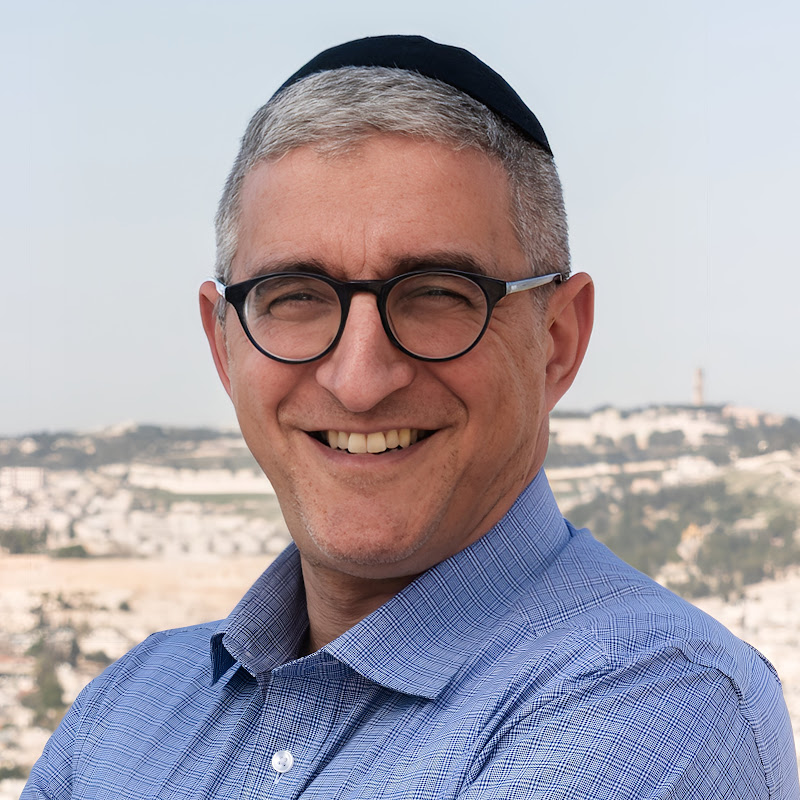
In this week's episode, Rabbi Pesach Wolicki shares an insight about Selichot - the Jewish practice of penitential prayers leading up to the High Holy Days. Then, Security and Defense expert Elliot Chodoff explores the implications and connections between Bahrain's normalization with Israel, the Palestinian Authority's latest misstep on the way to its own self-isolation, and the meaning of a barely noticed story about US sanctions against former Lebanese politicians.