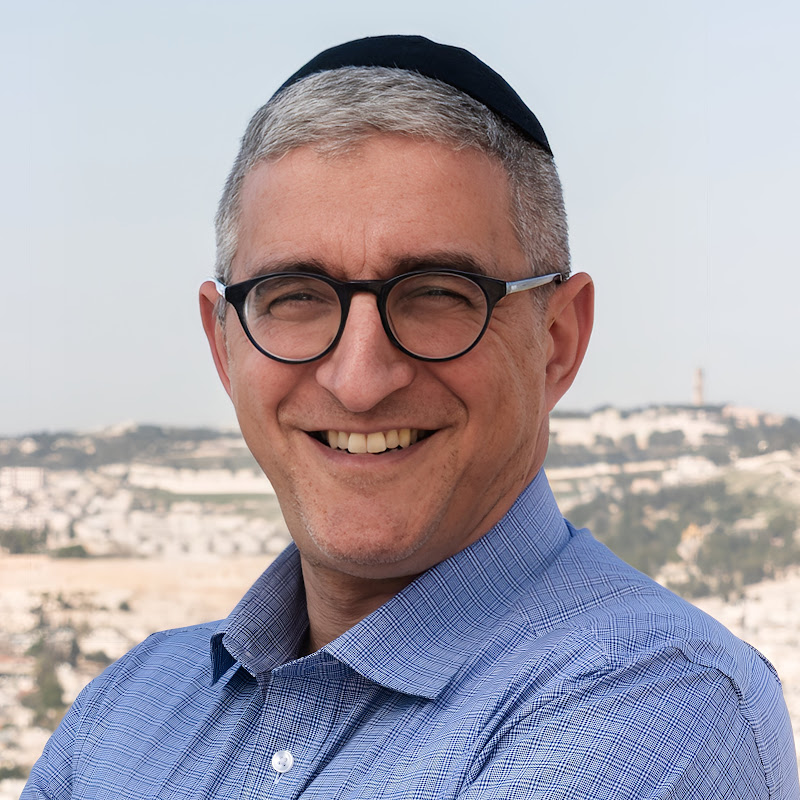
Videos > Israel Matters #19: Why is Russia Involved in Syria PART 1 Israel Matters #19: Why is Russia Involved in Syria PART 1 Pesach Wolicki 138 views • 4 likes • 1 comments 5 years ago • 30:45 min
Transcript [00:02] hello everyone welcome back to israel [00:04] matters [00:05] i'm of course rabbi pesach wilicki and [00:07] with me as always [00:08] is elliot chodoff strategic [00:12] military analyst history expert [00:15] and uh and from your facebook posts a [00:18] you know a lot of culinary stuff going [00:20] on in the chod off home as well [00:24] hey you gotta eat you might as well eat [00:28] well [00:30] okay so we're after the holidays the uh [00:34] the feast of tabernacles sukkot and uh [00:37] shmini at sarah at the eighth day [00:39] are completed they're behind us the high [00:40] holiday season is behind us [00:42] the traditional jewish greeting for this [00:44] uh day of the year is [00:46] have a good winter because we have uh [00:49] you know now the winter months are ahead [00:50] of us [00:51] we start praying for rain uh and uh [00:54] hopefully we'll have a very rainy winter [00:56] as we did last winter [00:58] just like to share a quick thought on [01:00] the weekly torah portion [01:01] the first shabbat after the feast of [01:04] tabernacles [01:05] is the shabbat that we start the new [01:08] cycle [01:08] of the reading of the torah so the torah [01:11] portion is actually [01:12] the creation story uh and the few [01:14] chapters after that [01:15] leading up till the days of noah [01:19] and just wanted to share a very quick [01:21] thought in [01:22] the opening chapters of genesis of [01:24] course we have the first [01:26] family adam eve cain abel [01:29] that first family and there are [01:32] two sins that take place right at the [01:35] beginning we could call them the first [01:36] two sins the original [01:38] the two original sins that take place [01:41] there is of course the sin of eating [01:43] from the tree [01:44] followed by the sin of cain killing his [01:47] brother abel those are the first two [01:49] transgressions in the bible and in both [01:52] of them [01:53] just wanted to point this out in both of [01:55] them god [01:56] asks the sinner a question [01:59] in response to the sin he asks adam [02:03] where are you [02:06] and he asks cain where is your brother [02:10] now obviously god knows the answers to [02:12] both of these questions [02:14] and that's what makes them so profound [02:15] and i think that if they really [02:22] he actually also asks a third question [02:25] uh [02:26] which the second one to kane and that is [02:28] what have you done [02:29] ah that's right what have you done [02:33] leading up to describing what he did but [02:35] you know [02:36] the the idea of god asking a question to [02:38] the sinner i think is very interesting [02:40] especially when we're talking about the [02:41] first two sins in the bible [02:44] and uh i think that if we just as [02:46] readers of the bible as believers in the [02:48] bible if we just [02:49] listen to what the words are telling us [02:52] i think there are these are the two [02:55] questions that god [02:56] asks us all the time [02:59] the first sin was not a sin against [03:02] anyone else eating of the tree was a [03:03] violation of god's dictate it was a [03:05] violation of that relationship [03:07] so god said to adam where are you [03:09] meaning where are you in this [03:11] relationship with me [03:14] and the second sin of course was the [03:15] quintessential sin against another human [03:17] being it was murder [03:19] and to that god said where's your [03:21] brother and i think those are questions [03:23] that we have to answer every day [03:24] where are we in our relationship to god [03:27] and where are we in our relationship to [03:29] our fellow human beings [03:31] so it's just a simple thought about [03:33] those those opening two [03:34] sins in the bible and what we could take [03:37] from it [03:38] just wanted to share that now elliot [03:42] there's never a dull moment in the [03:43] middle east yes and as we've talked [03:46] about sometimes the events that shape [03:49] things are really just like [03:51] things that get leaked to the media like [03:53] we've talked about this before that [03:55] when something is talked about in the [03:57] media [03:58] besides what's being talked about we [04:00] also always have to ask ourselves [04:02] why did they say that and this week [04:06] we had this little news story and why [04:09] now [04:10] yeah why now so there was this news [04:11] story that bashar assad [04:14] the head of the dictator of syria [04:17] was quoted in russian government [04:20] media and that's obviously very loaded [04:24] russian they don't have free media in [04:26] russia russian government [04:28] press interviewed assad and in the [04:32] interview they asked him if he would [04:34] ever normalize relations with israel [04:37] to which assad replied [04:41] that he would consider it if he got the [04:44] golan heights back [04:46] now that whole thing led me i read that [04:50] and i was like okay [04:50] let's forget about the fact that israel [04:52] is never giving him the golan heights [04:54] fine but if gov if russian government [04:57] media is [04:58] asking that question and assad is giving [05:00] that answer and then i thought about the [05:02] fact that assad [05:04] who is one of the chief enemies of [05:05] israel did not [05:07] interestingly did not criticize the uae [05:11] and bahrain deals with israel he said [05:13] nothing about them [05:15] and i was wondering okay why now why in [05:18] this way [05:19] what is this about and what exactly [05:22] would is russia's role in all of this [05:25] we've talked a lot about [05:26] hezbollah in iran and a little bit about [05:28] syria and we know the russians are [05:29] heavily involved here we've never really [05:31] explored that so i'm throwing this all [05:33] out to you elliot [05:35] and maybe this is more than one episode [05:37] but [05:38] as always can you make sense of this for [05:40] us [05:44] uh i'll try first of all i think that [05:48] the [05:48] um let me start with the syrian part of [05:51] it because that'll sort of take us into [05:53] the russian [05:55] the the syrians are no position to make [05:58] deals with anybody right now in other [05:59] words [06:00] the capital that he brings to the table [06:02] is so low [06:03] that there's no point would which is [06:06] also [06:07] his support or non-support [06:10] of the uae deal [06:13] is is totally irrelevant silence was the [06:16] best thing he could do [06:19] um that's number one [06:22] number two it's old news very old news [06:26] that the syrians say first give us the [06:29] golan [06:30] and then we'll have a discussion about [06:32] what goes on afterwards [06:34] and they know it's a non-starter and we [06:37] know it's a non-starter [06:38] uh going back even even to the father to [06:42] hafez uh back in the 90s i said at the [06:46] time during the negotiations [06:48] they're not going to come to terms they [06:49] have absolutely no reason whatsoever to [06:51] make peace with us [06:53] and there's every reason why the timing [06:55] of this little interview [07:00] the timing and the context and that [07:02] brings us to russia [07:04] so let's start with the fact [07:07] that the american brokered [07:10] emirates bahrain and whoever else [07:13] is waiting in line agreements [07:17] basically leaves the russians out [07:20] and the russians don't like to be left [07:22] out the russians have a [07:24] very very strong interest in this region [07:28] and they're a little annoyed now because [07:32] america has been pulling out of the [07:34] region [07:35] and even under trump he's been making [07:37] all sorts of noises of getting out [07:39] but no matter what they keep staying in [07:43] you know just when putin thinks he's rid [07:45] of them [07:46] there they are again with you know [07:48] pulling some other rabbit out of the hat [07:50] and this is driving the russians crazy [07:53] because [07:55] the russians for the [07:58] decades since the end of world war ii [08:01] since the beginning of the cold war [08:04] have had a very very strong interest [08:06] strategic interest in the middle east [08:10] and they've done they've done all sorts [08:12] of you know strange things [08:13] in order to maintain it including voting [08:16] in favor of partition that [08:17] the the soviet bloc votes in 1947 [08:21] were critical in the general assembly [08:25] resolution 181 partition plan uh [08:28] actually passing in other words [08:31] that was because they hoped that was the [08:33] founding of the state of israel wouldn't [08:35] have happened [08:36] rest soviet bloc correct [08:40] and let and let's let's remember that [08:42] back in the day [08:43] uh due to some pulses of quirkiness of [08:45] the way the u.n was set up the russians [08:47] actually had a number of votes [08:50] because ukraine which was totally under [08:53] russian control [08:55] had its own vote um [09:00] they had something like three or four [09:01] don't talk me on the exact number but [09:03] they they had [09:04] as if america would say you know what [09:07] we're really 50 states we should have 50 [09:09] votes [09:10] uh russia played that game and and won [09:14] in that sense so their votes were [09:15] critical and [09:17] in part there there are two ways of [09:19] looking at it and [09:20] the russians could look at it both ways [09:23] simultaneously [09:24] and one is either that either israel um [09:28] shows its gratitude by going in with the [09:30] russians which it did not do [09:33] or alternatively there'll be a conflict [09:36] and they can always [09:37] jump in on the other side if necessary [09:38] and that's that is what happened [09:41] and we were very much behind uh [09:44] escalating the conflict in in 1967 [09:48] the helped escalate in 1973 in other [09:52] words [09:53] a lot of what goes on has the russians [09:55] behind it there [09:56] now what i want to do for us to really [10:00] help [10:01] understand this is go back before the [10:04] cold war [10:06] because [10:09] what before into [10:12] to to to do two things sort of one in in [10:16] the other in sequence problem number one [10:20] or issue number one is that the middle [10:22] east is the most [10:23] important strategic region in the world [10:26] and it's been that way [10:28] for give or take three four [10:31] thousand years [10:35] now to say three or four thousand years [10:39] isn't just i mean that's an impressive [10:40] number but it's a number [10:43] that transcends two very important [10:47] factors uh which here basically are not [10:51] relevant because [10:52] in over three four thousand years these [10:54] two factors get negated [10:56] the first is technology [11:00] other words we're living in a world [11:02] today where we say oh here with new [11:04] technology we don't need all those old [11:06] rules [11:06] well guess what every generation of [11:09] humanity since [11:10] adam has said that [11:14] okay every generation says we're in a [11:16] new world of technology [11:20] and then the next generation's oh now [11:21] we're in a new world of technology [11:23] so okay that's nice but here [11:26] ever since this region has been [11:28] important [11:30] and that transcends technology i'll get [11:33] back to the reasons for why in a moment [11:34] the other [11:36] the other thing that transcends is the [11:38] world political order [11:40] in other words the way things were when [11:42] the assyrians [11:44] were interested in this region are [11:45] different from today [11:47] and different from when the ottomans [11:49] came in and when the byzantines came in [11:51] and pick your empire [11:53] the babylonians the romans the greeks [11:55] each period had its own [11:57] sort of in the ancient world [12:00] in the ancient world has a lot to do [12:01] with controlling trade routes [12:04] and that's not the issue anymore it [12:07] still [12:07] does it certainly is the issue that's [12:10] the whole point [12:12] remember the trade routes maritime [12:15] routes [12:17] and naval extension [12:20] are the exact same thing just like roads [12:22] and [12:23] military movement roads for commerce and [12:27] military movement [12:28] are exactly the same thing [12:31] i'm old enough to almost remember when [12:34] the [12:35] united states interstate system was [12:37] built it's called today the eisenhower [12:39] system in the 1950s [12:41] the interstate system was built by the [12:43] defense department [12:46] for the rapid movement of force around [12:48] the country okay now [12:52] we've all anybody who's driven in the [12:53] united states any distances traveled [12:55] interstates [12:56] they're those roads are critical to [12:59] commerce but they were built for [13:00] military purpose [13:04] and they're still there i mean they're [13:05] still maintained for that [13:07] because if you need to move force [13:10] whether it's by land or by sea those [13:13] routes very quickly shift from [13:14] commercial [13:15] to military [13:18] and if you don't have them you've got a [13:20] problem [13:22] on the middle east is a critical [13:25] geographical area for two reasons one is [13:29] the obvious one and anybody who's played [13:30] risk knows this [13:31] it's the land bridge between the [13:32] continents it's that that sort of [13:35] keystone [13:36] center between asia africa and europe [13:39] but to come back to what we were just [13:40] talking about it's also the bridge [13:42] between [13:43] oceans now the suez canal makes it very [13:45] clear today in the past century plus [13:50] uh although you should know you may not [13:52] know this [13:53] in ancient times there was a suez canal [13:57] it wasn't the same route that's taken [13:59] today because it didn't need to be [14:02] they didn't need a canal of the [14:04] magnitude for modern shipping that we [14:06] have today in the 21st century [14:08] had in the 20th century but in ancient [14:11] times a canal was cut from the nile [14:13] to the gulf of suez and [14:17] ships were able to get from the [14:18] mediterranean [14:20] out into the red sea [14:23] via the nile [14:26] in addition to that in ancient times [14:29] they also knew that and there was trade [14:31] between europe and the far east in [14:33] ancient times [14:35] it's not just a modern phenomenon post [14:38] marco polo [14:41] it was known that the quickest way to [14:43] get stuff from europe to the far east [14:45] if the canal wasn't working for whatever [14:47] reason because it wasn't always an [14:48] operation [14:48] it wasn't always maintained would be to [14:51] ship stuff [14:52] to the southern port of israel ashkelon [14:55] at the time today it's ashdod but in [14:56] those days it was hashgrown [14:58] and then schlep it over land to what is [15:01] today's a lot [15:02] and ship it out of a lot [15:05] at and from there [15:09] out the red sea to the indian ocean that [15:11] was a lot easier than going around [15:12] africa so [15:16] here you've got and look at israel as as [15:19] as a microcosm of it you've got this [15:21] ridiculously small country [15:23] that is a port that faces out to the [15:26] indian ocean and from there to the [15:27] pacific [15:28] and two ports that go from the [15:30] mediterranean out to the atlantic [15:32] how many countries have that [15:37] now if you look at it in egypt is the [15:39] other one right but [15:40] if you look at it in in regional terms [15:44] anybody who controls this region has [15:47] access [15:48] to the atlantic of the pacific [15:51] which is why in ancient times they tried [15:54] to do it in other words if they came [15:56] from [15:56] the west from europe or africa [16:00] they tried to get a foothold either on [16:03] the red sea or [16:04] on the gulf the persian gulf and if they [16:07] came from the east [16:08] they tried to get a foothold on the [16:09] mediterranean [16:11] and hint the turks are trying to get a [16:14] foothold on the gulf [16:15] and the iranians are trying to get a [16:16] foothold in the mediterranean [16:18] those are those those are the two local [16:21] empires [16:22] so so where does the russian interest in [16:24] the area begin [16:25] because we don't see it in the in the [16:27] middle ages so now [16:29] so now now let's overlay let's overlay [16:32] the russian problem [16:35] i've given you the solution now let's [16:36] look at the russian problem [16:38] russia not the soviets not putin [16:41] russia historical imperial russia [16:45] has a problem and that is that it's [16:48] natural [16:50] naval bases are north of the arctic [16:53] circle [16:57] and they freeze during the winter [17:01] and people are familiar with strategic [17:03] literature know [17:04] that what the russians are said to need [17:07] are warm water ports now what warm water [17:10] port means is [17:11] ports that don't freeze in the winter [17:14] because if in order to play the atlantic [17:18] game and the the european game is the [17:21] atlantic game [17:24] which is one of the reasons why nato is [17:26] called the north atlantic [17:27] treaty organization as the germans [17:30] learned the hard way in two world wars [17:32] if you can't control the atlantic you [17:34] can't control europe [17:40] if russia wants to compete with america [17:44] in the atlantic [17:45] it needs naval bases through which it [17:47] can get out [17:48] 12 months a year whenever they need it [17:53] now during the soviet [17:56] era the soviets had a major fleet base [18:00] and shipyard [18:02] in sevastopol in the crimea why do you [18:05] think [18:05] putin went there a number of years ago [18:10] i don't know if you remember that when [18:12] when he went into the crimea [18:14] uh then secretary of state kerry [18:17] very indignantly said somebody has to [18:20] explain to mr putin [18:21] that we're in the 21st century and 19th [18:24] century strategies don't apply anymore [18:27] so somebody has to explain to mr kerry [18:29] the strategy is strategy and doesn't [18:30] matter whether it's the 19th 20th and [18:32] 21st [18:35] he the fleet base that the russians were [18:39] using [18:40] was ukrainian at this point and they [18:41] were leasing it from the ukrainians [18:44] and the ukrainians told putin you know [18:46] what we may not renew the lease [18:48] and putin said no problem [18:52] now he didn't have to lease it from him [18:54] anymore he took it he owns it [18:58] but sevastopol listen [19:01] you don't want to lease it to me [19:05] it's kind of like don highway we can do [19:07] your way you know [19:10] exactly exactly either your brains your [19:13] signature are going to be on this [19:14] contract [19:15] right exactly [19:22] now with all of its advantages from [19:25] sevastopol does [19:26] is warm water port it has a problem [19:29] and that problem is that it's on the [19:31] black sea and the black sea empties into [19:33] the mediterranean via turkey [19:35] via the bosphorus now in [19:39] times of peace like now it's not an [19:40] issue because the bosphorus [19:42] by agreement is an international body of [19:44] war [19:46] but what happens in wartime [19:50] let's keep in mind that the turks and [19:53] the russians have been [19:54] enemies for about 400 years [20:00] and that hasn't gone away and it's [20:02] getting worse now that erdogan is making [20:05] his [20:05] imperial moves see note to his east [20:09] greece every which way [20:14] and he can choke them you can lock them [20:16] in what do you do [20:18] you skip over it now during the [20:21] soviet during the cold war period the [20:24] russians [20:24] had major fleet bases in egypt and syria [20:29] in alexandria in latakia and they did it [20:33] for a reason [20:34] and by the way during those years [20:37] and i actually um [20:40] for for sins committed in a previous [20:42] life i spent a year in the israeli navy [20:44] in the mid 1980s um [20:50] there was always a russian ship off [20:53] haifa always just outside our [20:56] territorial limits [20:58] monitoring everything our navy did [21:02] from up close where he could see it [21:05] because we were a threat to the russians [21:07] because we were part of the american [21:09] constellation so the russians [21:12] interest primarily is ports they have [21:16] two in syria today one matakiya another [21:19] one in tartus [21:20] and they're developing them [21:25] that's their that's their core interest [21:29] there's a secondary interest and that is [21:32] that anything america does the russians [21:35] want to counter [21:36] so and why because because america is [21:40] the adversary and putin is a chess [21:43] player [21:44] and he knows you don't give your [21:46] adversary an advantage even if there's [21:48] no [21:48] clear consequence [21:52] that you can see what of that advantage [21:54] somewhere down the road we just don't [21:56] want him getting stronger [22:00] yeah and or or to and it's [22:03] strength can be measured in many [22:04] different ways you don't want them [22:06] getting stronger [22:07] you don't want them in a position where [22:08] they can outmaneuver you you don't want [22:10] them to gain [22:12] allies where you can have that [22:15] other countries be neutral or [22:17] adversaries [22:19] it's all it's a it's just because in [22:21] other words [22:22] it's it doesn't have to be i see this [22:25] leads to this lead to this leads to this [22:28] um and putin putin is an expert at that [22:32] absolute expert so [22:36] america abdicated its control its power [22:40] in this region over the past two decades [22:44] it started under bush jr it started by [22:47] withdrawing forces from this area [22:50] uh i don't know if you remember a few [22:51] years ago three years ago [22:53] um an american aircraft carrier [22:57] dr khaifa for the first time in 17 years [23:00] do you remember [23:00] when that happened yeah now why [23:05] okay kaifu used to be a regular port of [23:06] call of for for the sixth fleet [23:10] why was this aircraft carrier the first [23:13] in 17 years to dock and kaifa [23:15] so the answer is the trump [23:16] administration but not for the reasons [23:18] you may think [23:20] because under george w bush [23:23] 17 years 20 years ago now roughly [23:27] america withdrew its aircraft carrier [23:30] from the mediterranean [23:31] there had always been a carrier task [23:33] force in the mediterranean with the [23:34] sixth fleet [23:35] they withdrew it in other words america [23:39] was aircraft carrier list [23:41] in the mediterranean for 17 years [23:46] and that provided all sorts of other [23:50] players [23:52] a field to play on including [23:56] the so-called arab spring makers which [23:58] we now call the islamic winter [24:01] terrorist organizations and ultimately [24:04] countries like russia [24:06] turkey [24:11] the russians have now re-established [24:12] their position [24:15] and they're not going to give it up [24:16] easily so [24:19] much of what we're seeing in terms of [24:20] their playing and including their [24:21] meddling in america [24:23] and by the way russians meddling in in [24:24] america elections [24:26] shouldn't surprise anybody the russians [24:28] have been meddling in everybody's [24:29] elections [24:30] as long as long as there's been a russia [24:31] it's what they do and by the way [24:33] american medals in other countries [24:34] elections [24:36] let's let's not be overly [24:41] righteous about this um [24:45] but because russia is playing the global [24:48] game [24:49] and just to recap and conclude [24:52] the middle east is a critical component [24:54] in the russians game [24:57] the russians know it the turks know it [25:00] the iranians know it [25:01] the chinese know it everybody in the [25:03] region knows it [25:05] the only people who miss this class is [25:07] washington [25:11] the americans and i don't mean currently [25:13] i'm talking about for decades [25:15] the americans have not fully appreciated [25:18] the critical strategic importance of the [25:21] middle east [25:22] to their global power position [25:27] and they've always treated in a sort of [25:29] goofy kind of side [25:31] side game or almost because it might be [25:35] almost ideologically like israel's our [25:38] ally but [25:39] but uh yes so [25:44] obviously we're not at a full answer yet [25:48] can we make an assumption about this [25:51] weird little news story that i started [25:53] with [25:54] that somehow based on what you're saying [25:56] this is what i'm understanding that [25:58] that uh this that this is [26:01] putin's way of of making himself [26:05] relevant [26:06] in in terms of potential peace deals is [26:09] that what he's doing [26:12] exactly exactly that's exactly what he's [26:15] doing [26:17] he's showing that he's still in the game [26:20] and that america is not the only player [26:23] who can deliver peace in the middle east [26:26] even if it's pure miss [26:30] or disinformation [26:34] because that whole syrian [26:38] front is a non-starter from an israeli [26:41] perspective [26:43] with a a weak assad [26:46] barely controlling parts of his country [26:49] starting with a demand [26:51] that we we didn't give him 20 years ago [26:56] because we also know what he means by [26:57] the entire golan heights it means he [26:59] wants [27:00] the shores of the sea of galilee yeah [27:03] so that's why i was wondering if maybe [27:04] there's something darker at work here [27:07] and that is that really this interview [27:09] this little story with assad [27:11] was putin's way of telling netanyahu [27:16] if you want a good relationship with [27:19] me you're going to have to [27:23] play my game with syria [27:28] now i don't think so i i think as i said [27:31] before putin's a chess player [27:33] he's not going to play play a move that [27:34] he knows he can't win [27:36] and russia doesn't have anywhere near [27:38] the leverage america doesn't have the [27:40] leverage to make that work [27:42] russia doesn't have anywhere near that [27:44] now i think it's it's much more [27:47] um it's a gambit it has no [27:50] no real content value but it has a great [27:54] deal [27:54] of sort of packaging value [27:57] that not everything going on having to [28:00] do with the perhaps [28:03] possibility of maybe [28:06] some sort of an agreement coming out not [28:07] not all of it is is being [28:09] done in washington here we in moscow [28:12] are doing it too and that's that's [28:15] really [28:16] it's all on that in that sense it's all [28:18] veneer [28:20] great so elliot maybe maybe we could [28:23] already [28:24] set the stage for next week's discussion [28:26] and [28:27] we can unders maybe we could bring we [28:29] could [28:30] keep talking about russia and maybe [28:32] start to understand more [28:35] in the in the real world situation that [28:38] has developed [28:39] the chaos that that has developed over [28:41] the last [28:42] decade in syria and lebanon [28:46] what exactly the russia israel [28:50] relationship is in in light of all of [28:52] that [28:53] because in terms of our own security as [28:55] israelis in terms of [28:56] uh you know potential threats on the [28:58] horizon [29:00] russia is a hard nut to crack and maybe [29:02] maybe we could just wet our appetites [29:04] for next week [29:05] but you know like the whole relationship [29:06] between netanyahu and putin is is [29:09] interesting and [29:10] and uh maybe that's something we can [29:12] talk about next week [29:14] very yes well all i'll say about it here [29:18] is that we are not in the cold war [29:20] anymore [29:21] and the game that's being played is the [29:23] nature of the game is different [29:25] the rules of the game are somewhat [29:27] different the background rules to the [29:29] game remain the same as they've always [29:30] been for thousands of years [29:33] all right so let me just close by asking [29:35] everyone watching this [29:36] oh sorry were you finished [29:40] no yeah just just to finish the point [29:43] the [29:44] the the grand objectives remain the same [29:47] the specific objectives are are [29:50] situational [29:51] based on what's going on in the world at [29:52] any given point and [29:54] i'll i'll leave this as a teaser putin [29:58] the dictator of russia today [30:01] is not putin the colonel of the kgb [30:04] in terms of his outlook in his methods [30:07] yes [30:08] no okay we're going to have to explore [30:11] that next time [30:12] that's a bit of a riddle to me so i just [30:16] want to reiterate to everyone watching [30:17] this [30:18] thank you very much for spreading the [30:20] word please reach out to us with your [30:22] questions with your comments [30:24] and if you would like either elliot or [30:26] myself to [30:28] do a zoom with you with you a group [30:30] where you [30:31] are uh please reach out to us we would [30:34] be more than happy to do it [30:36] there's so much to talk about and as i [30:39] started with everyone have a good [30:41] safe winter god bless
In this episode, Rabbi Pesach Wolicki shares a thought about the weekly Torah portion. Then, history and military expert Elliot Chodoff responds to a strange Russian news story about Syria's Assad , by taking us on a historical journey toward understanding how and why Russia is involved in the Middle East. Specifically, why is Syria so important to them?
Get notified of new videos Subscribe to receive notifications when new videos are published.