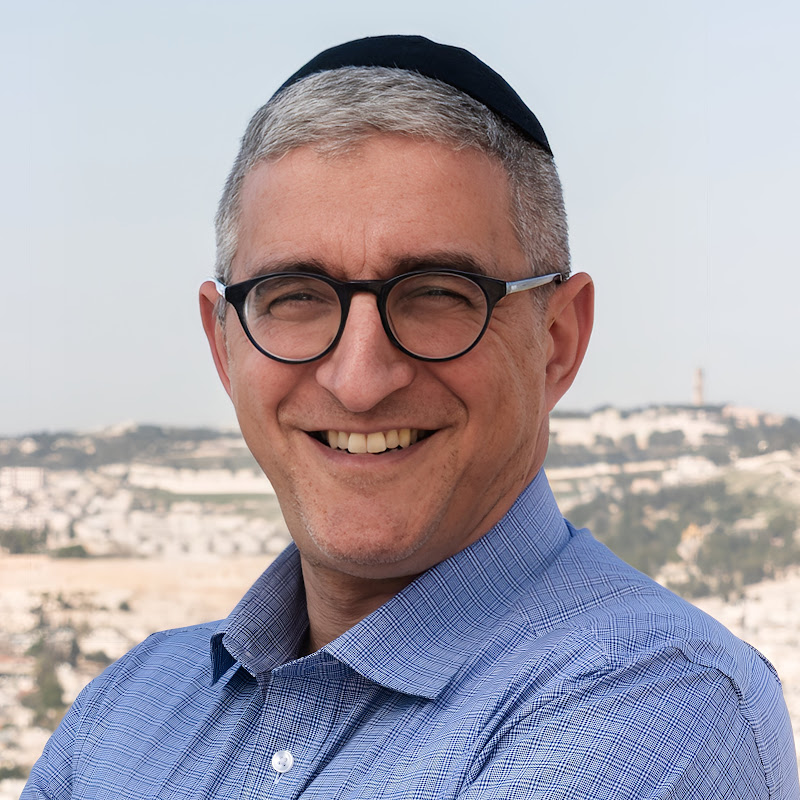
Videos > Israel Matters #7: Understanding Iran's Ideology Israel Matters #7: Understanding Iran's Ideology Pesach Wolicki 133 views • 3 likes 5 years ago • 29:19 min
Transcript [00:01] welcome back to israel matters [00:03] i'm here again i'm rabbi pesach and i'm [00:05] here again of course with elliot [00:07] showdown [00:08] hi pesach how you doing elliott good how [00:11] are you [00:12] ellie you know i've really been gaining [00:14] a lot from these when we first decided [00:16] to do them i was like oh yeah you know [00:17] you know we'll talk about stuff with [00:18] israel and and being someone who lives [00:20] in israel and has been [00:22] deeply involved of course in israel [00:23] advocacy and [00:25] i'm israeli you know i thought that [00:28] i wouldn't learn that much but i've been [00:29] learning a tremendous amount from you [00:32] and uh and i just think this is you know [00:34] this has been really good for me [00:35] personally [00:36] uh as well as i'm sure for for all those [00:38] who are [00:39] who are watching these so i wanted to [00:41] just thank you you know at the start of [00:43] our uh of [00:44] our seventh uh episode uh and [00:47] we will go much uh we we had a [00:50] conversation before we [00:51] started recording that we are going to [00:53] start going much more deeply into the [00:55] background [00:56] of israel's issues with its neighbors [00:58] and and the ideologies that underlie [01:01] uh those positions which is i think much [01:03] more valuable than than the [01:05] surface shallow understanding that we [01:07] get [01:08] uh just from watching the news yes so [01:11] we'll get to that soon but before we get [01:12] to that i just wanted to comment on the [01:14] fact that i am [01:14] i'm i'm unshaven i have this is beyond [01:17] stubble [01:18] and i am not attempting to grow a beard [01:21] i know elliot you look kind of the same [01:22] because you wear a beard [01:23] right i just want to explain to all [01:25] those who are who are watching this [01:27] why i'm not shaving uh we are right now [01:30] in the period between [01:32] the 17th of tammuz which was [01:35] about a week and a half ago and the 9th [01:38] of [01:39] and that period the ninth of ava is the [01:41] anniversary of the destruction of the [01:43] temple actually both temples were [01:45] destroyed on the same date [01:46] the ninth of ave and numerous other [01:49] tragedies [01:49] in jewish history happened on that day [01:53] three weeks before that is the 17th of [01:55] tamos which was the beginning of the [01:57] siege [01:58] on the city of jerusalem before the [02:00] destruction of the temple and the period [02:02] of [02:03] the breaching the breaching of the walls [02:04] wasn't all right the breaching of the [02:05] walls you're right the siege began in [02:07] the in the winter time and that was on [02:08] the 10th of debates [02:09] thank you for the correction the 17th of [02:11] tamos was when the siege was broken [02:13] and and the romans entered the city of [02:15] jerusalem and started ransacking it [02:17] and murdering people and and all the and [02:20] and [02:20] which ultimately culminated in the [02:23] destruction [02:24] of the temple so this three-week period [02:26] is a period [02:27] of mourning a period of historical [02:30] reflection [02:31] uh you know for for four jews and we [02:34] mark it in a number of ways and one of [02:35] the ways in which we market [02:38] is there's accustomed to to not shave to [02:40] kind of let our appearance go a little [02:42] bit as a sign [02:43] of of uh of [02:46] lack of happiness of of uh you know just [02:49] marking it in that way so that's why i'm [02:50] not shaving [02:52] and uh i think this is part of a of an [02:54] issue that maybe we'll discuss [02:56] in a later episode about the importance [02:58] of historical [02:59] awareness and historical memory to [03:01] jewish identity and [03:03] and history plays i believe a a very [03:06] profound role in jewish identity which [03:08] might be a little different than the [03:09] role that history plays [03:11] for other peoples and other cultures [03:13] anyway so that's just that's [03:15] that's my explanation of why i'm [03:16] unshaven i apologize for my appearance [03:19] but let it be a reminder to all of us [03:21] that there are some things in this world [03:23] that still need fixing uh and jerusalem [03:26] in the temple [03:27] being right there at the top of the list [03:29] so eliot as i said in the opening [03:31] we're going to delve a little deeper [03:33] into what's going on with iran just [03:34] before we do that i want to mention that [03:36] that all these explosions that we talked [03:38] about last time where iran [03:40] is getting attacked uh maybe by somebody [03:43] you know we had seven explosions [03:45] people shouldn't think that it stopped [03:47] again you're not seeing this in the news [03:48] you turn on fox or cnn or whatever or [03:51] you open up your newspaper you're not [03:52] going to see news of explosions in iran [03:55] but just yesterday here we go again just [03:58] yesterday there was an explosion [03:59] this time apparently another one a major [04:02] pipeline could you just talk about that [04:04] for a moment before we get into the [04:06] into the uh into the further background [04:08] you could just take it from there [04:10] sure well the the reports were that a [04:12] major [04:13] oil pipeline in southern iran blew up [04:16] the um the flames were visible to [04:19] anybody [04:20] and everybody when when oil pipelines [04:23] blow up they make [04:24] rather spectacular pyrotechnics [04:28] i would imagine i would imagine they [04:29] also continue to burn [04:31] well if it's if it's a pipeline part of [04:34] a system they can shut off the the flow [04:35] of oil so they'll they can [04:37] it it's let's just let's say it's not as [04:40] bad as [04:42] it looks in the sense of overall [04:45] destruction [04:46] um it looks spectacular but it's not [04:49] it's not the same let's say as [04:50] as a refinery blowing up like what like [04:54] what the iranians did to [04:55] to the saudis where there's major [04:57] infrastructure damage and that sort of [04:59] thing [04:59] here oil burns i mean obviously there's [05:02] a loss there was damage [05:03] but on a pipeline they just shut off the [05:05] flow wiggler burns out and they'll fix [05:08] whatever segment needs to be fixed but [05:12] it looks bad it's another sort of poke [05:15] uh whether it's from inside or outside [05:18] uh you know whoever's behind it [05:22] and you know what even if they're all [05:24] accidents which i [05:26] don't believe um it doesn't look good [05:30] for a system to have that many accidents [05:32] one after another [05:36] it's like it's some kind of weakness [05:38] it's either a weakness [05:39] exactly uh you know on a security level [05:42] or it's a weakness in terms of [05:43] infrastructure and management [05:45] either way something's wrong yeah [05:48] yeah exactly so that's ongoing and [05:53] really what we talked about and i think [05:55] what what uh we should [05:57] be focusing on is not so much [06:00] the tracking of the daily events because [06:04] tomorrow there'll be something else in [06:06] two weeks two days or three days and [06:07] five days [06:08] and that's important i'm certainly not [06:10] one to to argue that we shouldn't be [06:11] following the news and keeping track of [06:13] things [06:14] but i i actually want to sort of pick up [06:17] off the last thing you just said before [06:20] about the importance of [06:21] the studying of history and that sort of [06:23] thing um [06:25] there's there's a famous quote [06:28] that is most often misquoted [06:32] by george santayana the actual quote is [06:36] he who cannot remember the past is [06:38] condemned to repeat it [06:40] that's the actual verbatim quotation [06:42] book called the life of reason which was [06:43] written about [06:44] 115 years ago um i'm actually one of the [06:47] few [06:48] people i think who've actually read the [06:49] book [06:51] one as opposed as opposed to misquoting [06:54] the line [06:55] um the the context of the quote [06:58] is interesting too and i think if [07:00] understand [07:01] i'm very much into context i think you [07:05] my friends know that um the context [07:08] changes [07:09] and actually gives the quote [07:12] much more power because it comes from [07:16] the section of the book where he talks [07:17] about change and progress [07:20] and he says and now i'm paraphrasing [07:23] that people mistakenly think that [07:25] progress is a function of change [07:28] where in fact progress is a function of [07:30] memory [07:33] because he who cannot remember right [07:36] because he who cannot remember the past [07:38] is condemned to repeat it in other words [07:40] you're going to make the same mistake [07:41] over and over again [07:43] unless you know what happened before [07:46] and i'll add to that before we go into [07:50] into the deep history here uh [07:53] the people very often the his the [07:55] mistakes made in [07:57] history and you know what i think for [07:59] many of us even our in [08:00] in personal lives are not there are [08:03] stupid mistakes don't get me wrong [08:05] but many of the mistakes are mistakes [08:07] made [08:08] by misassessing variables misassessing [08:12] values [08:14] of things that are not obvious when [08:17] you're making [08:18] the decisions and only in retrospect [08:20] turn out to be mistakes to them [08:22] in retrospect say oh this was here's [08:25] where the flaw was in my logic [08:26] in the decision making and if you don't [08:29] have that memory you're likely to make [08:31] that same mistake again [08:33] but with the memory you say oh wait a [08:35] minute [08:37] last time i did this this looked like [08:39] the right decision but it was the wrong [08:41] one [08:41] now i know that this is not the right [08:43] decision so that's that's the importance [08:45] of [08:46] knowing remembering the past wow so [08:49] if i could just react to that for a [08:51] moment it's an even deeper [08:53] uh statement than it appears on the [08:55] surface because what he's saying [08:57] is that is that you know i'll put it [09:01] this way often [09:02] people have this idea that that to move [09:05] forward to be [09:06] you know to progress we have to wipe [09:08] away the past we have to forget about [09:10] the past and we're just [09:11] we're forward thinking we're not [09:12] thinking about and it's really just the [09:14] opposite if you [09:16] the more the more in uh [09:19] immersed you are in knowledge and [09:21] awareness of the past [09:23] the more effectively you can you can [09:27] progress correct because of that [09:29] knowledge that's [09:30] correct otherwise you end up [09:33] you end up reinventing the wheel [09:38] so having said that [09:42] now let's go back a little bit um [09:47] we read in a lot of the reports and the [09:49] commentary on iran [09:52] um also speculation will they reform and [09:55] under these [09:56] circumstances will they change will they [09:58] moderate uh [09:59] there there's a whole hierarchy [10:02] especially when [10:02] when iranian elections come around these [10:05] are the moderate candidates and these [10:06] are the more extremist candidates [10:09] all sorts of western relativity that's [10:11] built into that [10:13] and i think it's really important for us [10:16] to understand [10:17] where iran comes from and with iran all [10:20] of its [10:22] its spawns not just it has allies that [10:25] are not spawns of iran [10:26] but hezbollah certainly is uh some of [10:29] the other groups [10:30] certainly are and [10:33] understanding where they come from is [10:34] really important in reading what's going [10:37] on [10:38] so for that we need to go back um [10:41] [Music] [10:43] really to khomeini in the 60s and 70s [10:46] but in order to understand khomeini just [10:48] a very very quick [10:49] back step as well [10:53] traditionally shiites and i'm not going [10:57] to go into the whole [10:58] sunni shiite thing here let's take it at [11:00] face value [11:01] the shiites are a sect within islam [11:06] and there's a population uh [11:09] that sees themselves actually the word [11:12] shiite comes from the same as the hebrew [11:13] word [11:14] which is a faction okay so they see [11:18] themselves as a faction within islam [11:21] traditionally for a whole bunch of [11:23] historical reasons [11:26] the shiite communities around [11:29] the world i mean primarily the middle [11:31] east iran [11:32] iraq that area out to lebanon [11:37] were somewhat independent [11:41] in their decision-making in the sense [11:44] that [11:45] i'm going to use a very loose analogy [11:46] here similar to the jewish diaspora [11:50] where communities i'm i'm thinking [11:52] doesn't matter whether we're talking [11:53] about [11:54] european or mizrahi [11:57] uh largely for reasons of technology [12:01] would have a local rabbi and the local [12:02] rabbi was the one who [12:04] was the authority he may have had some [12:07] contact with some higher authority but [12:09] he [12:10] 99 of what went on was done locally in [12:12] terms of [12:13] community decision making and [12:15] [Music] [12:17] the same was true with the shiites for [12:18] entirely different reasons but [12:20] nonetheless that was the case [12:24] they have a belief that [12:27] everything will change when the hidden [12:28] imam the 12th imam [12:30] who disappeared went into hiding will [12:33] reappear [12:35] and again a very very loose analogy here [12:37] and it's not a good one but just [12:39] to help in in understanding a messianic [12:42] kind of a concept [12:45] khomeini comes along in the 1960s [12:49] and develops a new theory which is [12:52] ultimately published in a book in 1970 [12:55] which it's available today you can look [12:58] it up online and get it free in a [13:00] peeking pdf [13:01] uh that's translated into english as [13:03] islamic government [13:05] in in persian [13:08] and the islamic government has a couple [13:10] of interesting things [13:12] the first is that romani argues [13:15] that you can establish an islamic shiite [13:19] state prior to the reappearance of [13:22] the amount of the twelfth female okay [13:26] that's so fascinating that's fascinating [13:28] i never knew this [13:29] it seems to have an analogy with the [13:32] internal debate [13:34] within judaism whether there can be a [13:37] jewish state [13:38] prior to the arrival of the messiah [13:40] that's correct that's very interesting [13:42] correct but he takes it a step further [13:45] because he is a centralist he's [13:48] political he's a revolutionary [13:51] theological as well as [13:52] as political and he argues [13:56] that when that happens [14:00] the supreme leader of that independent [14:03] islamic state [14:05] shiite becomes the leader of all shiites [14:09] in other words [14:10] there's now a centralized not only [14:13] government [14:14] but theological authority and he [14:17] the jurist it's called the jurist [14:22] and when he comes to power in 1979 [14:25] he puts that into play now here when it [14:28] happened i remember it nobody understood [14:30] this nobody knew this today [14:32] very few people understand but [14:35] his idea of we've established an islamic [14:37] republic was revolutionary theologically [14:40] and was also revolutionary politically [14:41] because he then [14:43] declared himself to be the supreme [14:47] authority over all shiites in the world [14:51] did the rest of the shiite diaspora as [14:54] it were [14:55] accept this theological turn not [14:58] not universally in other words to this [15:01] day and and [15:02] and here's a very important side note [15:05] when all the commentaries talk today the [15:08] the talking heads talk about the [15:10] sunni shiite conflict divide [15:14] split they miss the point that within [15:17] shiism there is also a split [15:20] there are homeenists and non-humanists [15:25] and i'm talking about on very high [15:26] levels theologically not just [15:29] run over the middle so [15:32] it's not a simple sunni shiite thing but [15:35] what it means is that those who [15:36] are homanists believe in the authority [15:40] the absolute authority of human [15:43] as the the last word on everything [15:47] because as they say romani writes this [15:50] as [15:50] does nayim kasim who's the number two of [15:53] very important work on hezbollah in [15:56] other words [15:57] a a revealing work about his own [15:59] organization [16:00] so you cannot separate religion and [16:02] politics [16:04] okay this is the antithesis of the [16:07] protestant [16:08] idea that america is built on [16:12] basically separation of religion and [16:14] state [16:17] inseparable you can't religion is [16:19] politics and politics is religion [16:21] and the supreme leader is simultaneously [16:23] the supreme [16:25] religious authority and the supreme [16:28] political authority now [16:32] what's important in addition to [16:36] that sort of structural point [16:40] is that in the second paragraph of page [16:44] one of islamic government [16:48] omani says the jews have always been the [16:51] enemy of islam [16:54] now just as a for a superficial [16:56] comparison [16:57] it took hitler for 21 pages in mein [17:00] kampf [17:01] before he got to the jews [17:04] second paragraph of page one [17:08] correct cut to the chase [17:12] right and then he goes into i mean it [17:15] follows very much my conflict it's [17:17] the jews are not the settlements and not [17:21] the policies and it's not it [17:23] israel can't exist because it's jewish [17:25] period [17:27] and its destruction is preordained [17:31] it's an absolute uh [17:34] because it's jewish and jews are the [17:36] enemy of islam and they always happen [17:39] this is i remind you this is the book [17:41] islamic government [17:44] okay another thing that he writes about [17:48] in islamic government [17:49] and that's important because a lot of [17:51] people have heard this term and [17:52] and misunderstand it is the concept of [17:56] taqiyya [17:58] takiyah is commonly [18:02] discussed as the muslim or the islamic [18:07] permission to lie uh [18:10] to your enemies so you know what [18:15] i hate to break this to everybody [18:17] everybody lies to their enemies [18:20] you don't need to be a muslim jews lie [18:23] to their enemies [18:24] christians lie to their enemies it's [18:25] called deception [18:29] the scripture tells us to make war by [18:32] deception [18:35] in other words there's nothing unique [18:40] in the translation of taqiyya as lying [18:44] to your enemies but that's not what it [18:45] means [18:45] khomeini is very clear that that's not [18:47] what it means when [18:49] a muslim authority [18:53] makes a religious ruling for the purpose [18:56] of deceiving the enemy about what islam [18:58] is about [19:02] in other words when khomeini and later [19:05] khamenei [19:06] said it is against islamic law [19:10] to have nuclear weapons that's tequila [19:15] now there's an authority making and [19:17] you'll find it all over [19:18] the apologist iranian literature iran [19:22] can't have nuclear weapons because [19:25] the supreme leader said it's against [19:26] islamic law [19:28] khomeini in his book talks about that [19:29] specifically he says that [19:31] is permitted and it's something that [19:32] that [19:35] particularly from a jewish perspective [19:37] in our history how many times [19:40] have rabbinical authorities been faced [19:43] with threat life and death threat [19:47] and refused to issue halachic rulings [19:51] that were against talaha simply to save [19:53] themselves or their lives there's a [19:56] religious dividing line [19:58] that khomeini says doesn't exist on [20:01] their side [20:05] wow so so treating the islamic republic [20:08] of iran [20:09] as a regular political entity [20:13] that is governed by your kind of [20:16] standard [20:17] strategic political motives is misguided [20:21] and it's just not it's it's a recipe for [20:24] failure [20:25] yes okay here [20:28] and and this is true in in the [20:31] literature on hezbollah as well [20:34] there is often confusion [20:38] between motives [20:41] and objectives on the one hand and [20:43] strategy on the other hand [20:47] okay and shifts in strategy [20:51] simply mean that people are thinking [20:53] they don't necessarily mean shifts in [20:56] in objectives your strategy can change [20:59] and [21:00] edward lutvock the great strategist [21:02] american strategist [21:03] in his book on on strategy points out [21:06] that strategy is actually paradoxical [21:08] logic in many cases [21:10] in other words you you do the opposite [21:14] of what it seems you want in order to [21:17] get what you want [21:18] and not from a point necessarily a point [21:20] of view of deception [21:21] the example that he brings in his [21:22] introduction is that [21:25] during the roman imperial period [21:28] there was a saying people some people [21:30] may be familiar with it [21:32] um in in the latin or the english [21:36] he who wants peace prepares for war [21:41] okay it's rather commonly known and we [21:43] take it [21:44] at face value but that's a paradox [21:48] right one would think linear thinking [21:51] linear logic would say he wants peace [21:54] makes peace prepares for peace [21:56] now we know that the world doesn't work [21:58] there and therefore if you want peace [22:00] you have to be prepared to go to war [22:01] that's a paradox so [22:06] when iran does something and when it's [22:09] as i said it spawns like hezbollah do [22:11] something there could be a strategic [22:13] logic [22:13] that is makes what they're doing look [22:16] like the exact opposite of what they're [22:18] trying to accomplish [22:19] and here i say again not because of [22:21] deception but because of the nature of [22:23] strategy [22:25] and a a shift to a different strategy [22:29] when one strategy isn't succeeding [22:31] doesn't mean a shift in motives or in [22:33] objectives [22:35] okay now in order to bring us up to date [22:39] and [22:40] maybe sort of throw an intro into our [22:43] next [22:44] conversation um [22:48] let's remember that the current supreme [22:51] leader of iran [22:53] ayatollah khamenei [22:56] took over from or after [22:59] khomeini's death in other words between [23:02] 1979 [23:03] and today there have only been two [23:06] leaders in iran [23:09] that's amazing that's that's 41 years [23:12] right okay and [23:15] the continuity there is far tighter [23:19] because obviously every time a new [23:22] person comes in [23:23] there's a bit of a shift there has to be [23:25] by you know they're not identical [23:27] even if they're devoted loyal followers [23:29] there's going to be some sort of a [23:31] a few degrees shift so if over 40 years [23:34] you've had how many presidents [23:38] since carter right um [23:42] they're shifting just even leaving the [23:45] two-party system and the difference [23:46] between democrats and republicans [23:49] uh here you don't have it [23:52] and the [23:56] the continuity of that line is very very [23:58] solid and very strong [24:01] what i'm going to throw out for our next [24:03] conversation [24:05] is the fact that hezbollah since its [24:08] inception in 1982 [24:10] has only had three leaders [24:14] and one of them the current one [24:17] nasrallah [24:18] for well over 20 years [24:21] all three of the leaders of hezbollah [24:24] were clerics [24:26] all humanists [24:30] all received their clerical [24:34] coordination for lack of a better term [24:37] from the ghomeni [24:38] schools in iraq [24:41] okay uh in other words they are fine [24:45] and they are absolute humanists in terms [24:47] of islamic [24:48] government the jurisprudence of the the [24:51] leadership of the [24:52] theology meaning meaning the theology is [24:56] that's right in other words when when [24:59] khamenei gives [25:00] nasrallah an order it's not the order of [25:03] a [25:04] patron to a client as many [25:07] people believe or of even a government [25:10] or [25:10] superior it's not even just like a [25:12] government superior or even a military [25:14] commander [25:14] it's beyond that that's right that's [25:16] right it's it's a religious [25:18] authority speaking to a subordinate it's [25:21] a papal edict [25:23] yeah it's a papal edict to a [25:26] cardinal ah to a direct subordinate [25:29] right [25:30] wow okay in other words it's it's not [25:33] you know by the time it gets down to the [25:35] individual in the parish [25:37] it can be watered down along the way but [25:40] the order that comes that's coming [25:42] directly here is from [25:44] the authority to a religious authority [25:46] remember that [25:47] saeed nasrallah is a [25:51] he's a religious authority in his own [25:52] right and he's directly subordinate [25:57] to the supreme leader in iran wow okay [25:59] so [26:00] it it this is this is fascinating and [26:03] what [26:03] what you've done here is essentially [26:06] open things up [26:07] a crack so now we have some basis for [26:10] further discussion [26:12] but this is a game changer i mean for [26:14] anyone listening to this myself included [26:16] and i've again i've been involved in in [26:18] the middle east [26:19] my whole life and and this is brand new [26:21] to me and [26:22] and i i think that what you've done here [26:24] is set the stage [26:26] with this paradigm uh shift that now [26:29] when we talk about iran and we start [26:31] talking about the details of this [26:33] background and continue with this next [26:35] time [26:36] uh we're doing it on the basis of of an [26:39] understanding of where these people are [26:40] coming from and and i think [26:42] that uh maybe in our subsequent uh [26:44] episodes [26:45] we should we should start by telling [26:47] people to go back and watch this one [26:49] uh just to make sure that we that we [26:52] know what we're talking about [26:53] you know i guess i'll just end on this [26:55] note it makes me wonder [26:57] if if the people in the in the u.s state [27:00] department [27:01] who are who are responsible for dealing [27:04] with iran [27:06] are fully cognizant of the nature [27:09] of this ideological and religious basis [27:13] for how they view things because it [27:14] would seem that they should [27:16] be expert in this and know all of this [27:18] but at the same time the behavior [27:21] of the us state department especially in [27:22] the previous administration [27:24] seemed to uh based on what you're saying [27:28] it sounds like they were [27:29] they were they were behaving as though [27:31] they were not aware of this [27:33] yes you know what maybe next time before [27:35] we go into [27:37] the ramifications of it here [27:41] in terms of klizbala and the followers [27:43] and that sort of thing [27:45] it might pay to spend a few minutes [27:47] talking about how [27:48] the west in general western academia and [27:52] of course the state department comes out [27:53] of academia [27:55] has completely missed the boat in [27:58] understanding [27:59] what religion means in terms of decision [28:02] making [28:03] that would be great okay on that note [28:06] let's call it a day here and we'll [28:08] and and we'll resume this next week this [28:10] is fascinating [28:11] you know this really give us a deeper [28:13] understanding you know i just find that [28:14] when i read the news [28:16] if it's a story that i know a lot about [28:18] i'm sure everyone watching this has had [28:20] this experience when you know a lot [28:21] about the background of a story you read [28:23] the news and you get frustrated [28:24] because of how shallow it is and when [28:26] you don't know the background you think [28:27] you're getting all the information you [28:29] need so i think the more we know about [28:31] this [28:31] the more we're going to be able to read [28:32] between the lines and again it always [28:35] comes back to you know what are we [28:36] praying for what are we working towards [28:38] when we lobby our elected officials [28:40] you know being more knowledgeable than [28:43] than the media [28:44] and then and then the shallow talking [28:46] heads around us this is what we're here [28:47] for so thank you again elliot and thank [28:49] you everyone for [28:50] thank you and and please share this with [28:53] people let people know that there's [28:55] somewhere to go to get [28:56] really in-depth uh and detailed [28:59] understanding of what's actually going [29:01] on [29:01] uh in the middle east with the with the [29:04] those things that matter most to israel [29:07] and uh you know tell them about israel [29:09] matters [29:10] have a good day everyone have a good [29:11] week
Elliot Chodoff and Rabbi Pesach Wolicki are back to discussing Iran. In this episode, Elliot takes us back to the religious and ideological origins of the Iranian regime. Without this background, our understanding of Iran's behavior is bound to be incomplete and, worse yet, dangerously inaccurate. Fascinating stuff!
Get notified of new videos Subscribe to receive notifications when new videos are published.